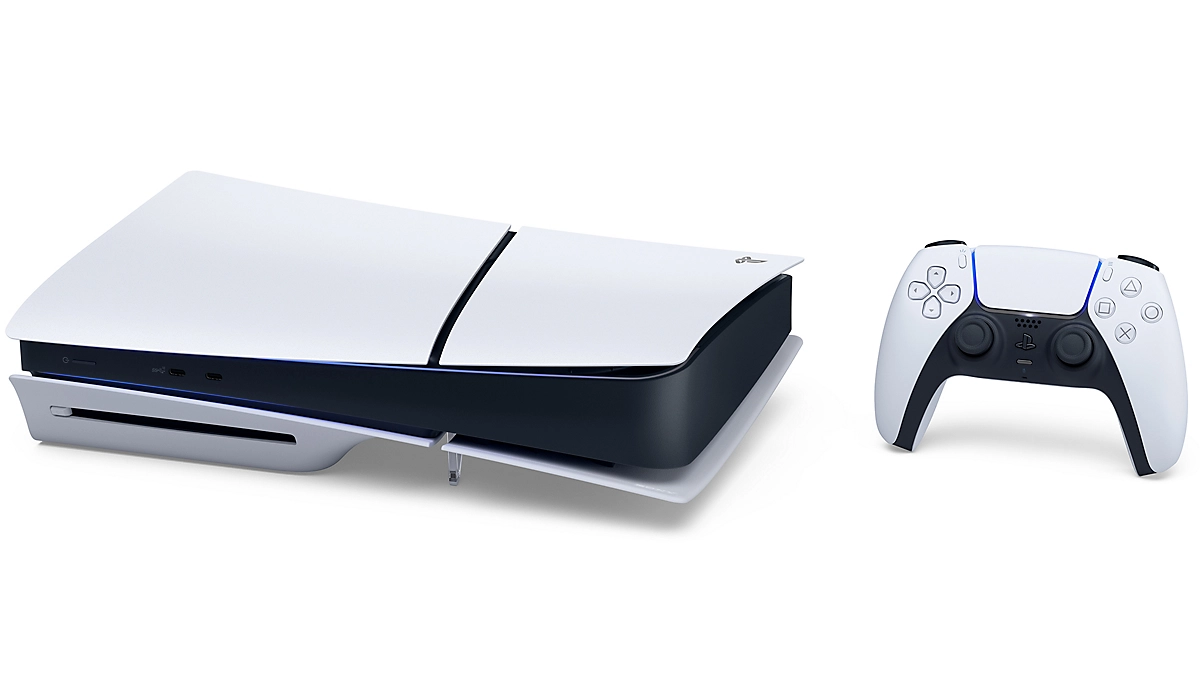
PlayStation 5 emulation on PC has reached another notable milestone, with the experimental SharpEmu emulator now capable of running 12 tested games, with six hitting a consistent 60 frames per second.
SharpEmu’s developers announced the progress on X on Sept. 25, revealing that they’ve currently tested 55 PS5 games. As such, the project is still in its early stages but its progress is still noteworthy, especially as it arrives while Sony faces continued player concern over the future of physical PlayStation games.
SharpEmu’s Six Playable PS5 Games
The six games currently highlighted by SharpEmu are Dreaming Sarah, Terrarium, New Joe & Mac: Caveman Ninja, Tetris Forever, Hoa, and Tomb Raider IV-VI Remastered.
The developers’ definition of “playable” is important, however. None of the six has been tested from beginning to end, and the designation means they currently run without major problems rather than guaranteeing a flawless experience. Minor graphical or audio issues can still occur, as is common with a lot of emulators.
SharpEmu’s latest public release, version 0.0.4-release.2, arrived Sept. 25 with improvements to Vulkan support, additional SPIR-V shader translator instructions, CPU emulation fixes and further Vulkan extension support. These changes have helped the emulator progress through the PS5’s underlying software environment rather than simply improving performance for a fixed selection of games.
The project’s developer, Berk, summarized the milestone on X: “Out of 55 tested games, 12 can now reach in-game, and 6 of them are fully playable at 60 FPS.”
That remains a very small portion of the PS5 library. SharpEmu currently tracks more than 9,000 titles, and demanding 3D games remain considerably further away from playable status. Demon’s Souls, for example, can now reach gameplay but still has major graphical and performance problems.
PS5 Emulation Is Still in Its Early Stages
SharpEmu’s progress shouldn’t be confused with a PC replacement for the PS5. The emulator is an experimental, open-source project written in C# and currently supports Windows, Linux and macOS.
Its progress is nevertheless significant because PS5 emulation requires developers to reproduce the behavior of modern console hardware and software, including the system’s CPU, graphics functions, shaders and other platform-specific features.
The PS5’s x86-64 architecture also gives PC-based emulation a different starting point from some older consoles. SharpEmu can execute the console’s CPU instructions natively on compatible PC hardware, while Vulkan and shader translation remain important parts of its graphics pipeline.
SharpEmu isn’t the only project making progress. KytyPS5 has also demonstrated increasingly advanced PS5 software, while RPCSX remains another research-focused project exploring PS4 and PS5 emulation.
The best-established example comes from an older generation. RPCS3, the open-source PlayStation 3 emulator, now has more than 2,500 compatible commercial games according to its project website, with its developers continuing to target preservation of the PS3 library.
RPCS3 recently made another notable step by adding support for running compatible PS3 games directly from physical discs, further emphasizing how emulation can provide an alternative route to accessing older software as official hardware and PlayStation storefront support disappears.
Why Emulation Remains a Gray Area
Emulation itself isn’t automatically synonymous with piracy. The legal situation depends on factors including how the emulator is created, what copyrighted material is distributed, and how game and firmware files are obtained.
Projects such as SharpEmu and RPCS3 don’t include Sony’s proprietary games with their software. RPCS3, for example, explicitly tells users to obtain legitimate game copies and firmware legally.
The situation becomes more complicated when copyrighted game files or console firmware are downloaded from unauthorized sources. That distinction is one reason emulation occupies a legal and practical gray area in discussions around game preservation.
Sony Is Still Facing Pushback Over Physical Games
SharpEmu’s progress comes during an ongoing debate about Sony’s approach to physical game ownership. Sony has announced that it will stop producing physical discs for PlayStation games in January 2028. The decision has generated significant player backlash, including losing PS Plus subscribers and a petition to reverse the decision that had attracted more than 172,000 signatures by July.
Sony also recently sent out a broad PS5 survey asking users to rate different aspects of the console and provide feedback. The questionnaire doesn’t explicitly ask about physical media, although reports and social-media posts surrounding it have connected the survey to the wider discussion over Sony’s move away from discs.
That doesn’t establish that Sony is reconsidering its 2028 decision. It does, however, show that questions around ownership, physical releases, and the future accessibility of PlayStation games remain active topics among gamers.
The Last Word
SharpEmu running six PS5 games at 60 FPS is an important technical milestone, but it’s still a long way from making the PS5 library fully playable on PC. The significance lies in the direction of travel: 12 of 55 tested games can now reach gameplay, while development continues on Vulkan, shader translation and CPU emulation.
Similar emulator projects such as RPCS3 also demonstrate how emulation can become an important preservation tool as hardware and storefronts age. With Sony facing continued criticism over its planned end to new physical game discs, that preservation argument is likely to become increasingly relevant, even if PS5 emulation remains in an experimental stage for now.
Other Gaming Content
- All changes in The Witcher 3: Wild Hunt Remastered
- Best Team Composition For The God Quarry Map in Marvel Rivals
- After Sticking With MindsEye, Build a Rocket Boy May Have Shut Down
Featured Image Credit